Commercial Waste Milton Keynes: Recycling and Sustainability
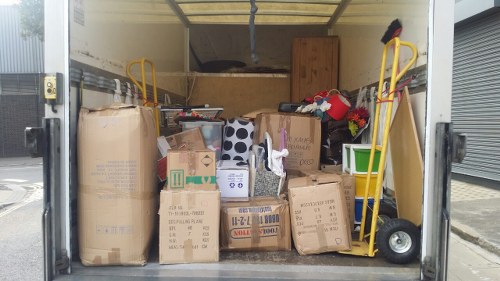 Commercial Waste Milton Keynes services are evolving to meet the needs of local businesses and public sector organisations that want an eco-friendly waste disposal area and a resilient, sustainable rubbish area. This page outlines our approach to improving recycling rates, expanding reuse pathways and reducing the carbon footprint of collection services. We describe realistic targets, the role of local transfer stations, partnerships with charities for reuse, and a fleet strategy built on low-carbon vans and smarter logistics.
Our
ambition
for Milton Keynes commercial waste is to create a system where less goes to landfill and more materials return into productive use. The borough's approach to waste separation already supports businesses with kerbside-like segregation options: mixed dry recycling, paper/cardboard, glass and metal streams, plus organics where suitable. These separation protocols feed local recycling facilities and help maintain material quality for reprocessing.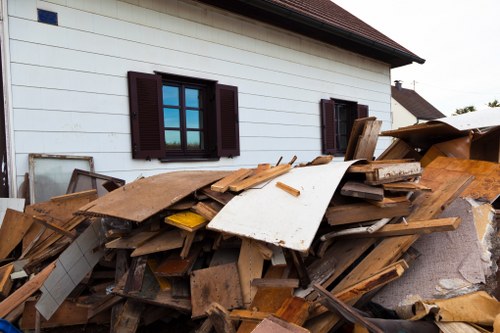 To measure progress we have set a clear target: a commercial recycling percentage target of 65% of non-hazardous commercial waste diverted to recycling and reuse by 2030. This is an ambitious but achievable goal that aligns with regional ambitions for a low-waste circular economy. The target covers mixed recycling, organics, construction and demolition materials, and targeted reuse of furniture and textiles.
In practice, businesses are supported through practical services and infrastructure. Local transfer stations act as strategic hubs where separated loads are consolidated before onward treatment. Milton Keynes benefits from county and neighbouring authority transfer points that accept commercial loads for sorting, baling and onward transport to specialised processors. These transfer stations reduce long-haul movements and improve the economics of recycling for smaller commercial clients.
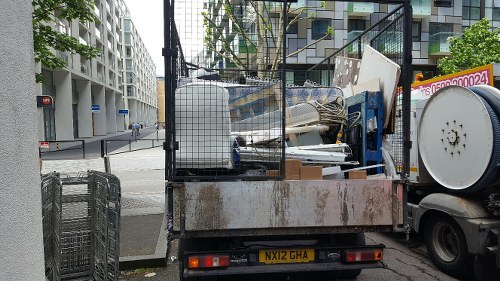 We work closely with recycling processors and social enterprise partners to keep reusable items in the local economy. Partnerships with charities are central to our reuse strategy: items such as surplus office furniture, palletised electronics, and textiles are assessed and diverted to charities and community groups wherever possible. These collaborations reduce waste, support local good causes and extend the life of valuable material in the borough.
The move to a truly sustainable rubbish area requires both separation at source and targeted commercial services. Our service catalogue for Milton Keynes commercial waste includes dedicated streams for:
- paper, cardboard and mixed dry recyclables
- glass and metals collection
- food and organic waste where businesses generate suitable streams
- construction and demolition (C&D) inert and recyclable materials
- electricals and specialist hazardous collections to authorised facilities
The environmental gains are amplified by modernising collections. We are rolling out low-carbon vans, including electric and hybrid vehicles, to serve the urban core and business parks across Milton Keynes. Telematics and route optimisation reduce mileage, and larger consolidated movements to transfer stations minimise heavy truck journeys. Together these measures cut CO2 emissions and air pollution from commercial waste transport.
Financial incentives and performance metrics support the recycling percentage target. Commercial contracts now include recycling KPIs, transparent reporting and options for businesses to participate in materials audits. This data-driven approach helps identify high-impact interventions — for example, separating dry mixed food packaging at source or creating dedicated cardboard compaction in retail and warehousing sites.
Community and Corporate Partnerships
Strong partnerships are the backbone of a successful sustainable rubbish area. We coordinate with borough councils, private recycling firms and local charities to ensure that reusable goods avoid disposal and that high-quality recyclables reach processors. Businesses are encouraged to donate usable items directly to charity partners or to make use of local reuse networks that match surplus items with community needs.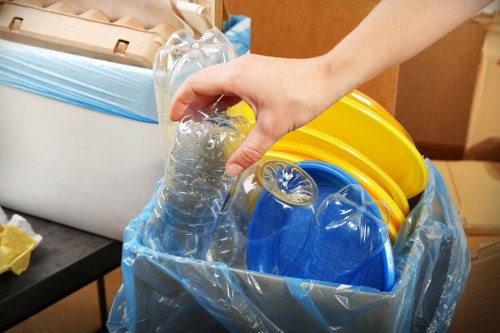 Practical steps for businesses in Milton Keynes commercial waste management include simple, high-impact actions: segregate at source, contract dedicated recycling containers, review procurement to reduce single-use items, and engage staff in reuse culture. Small changes in day-to-day operations add up quickly when scaled across offices, shops and industrial estates in the borough.
The borough’s approach to waste separation—where possible mirroring residential kerbside streams—makes it easier for firms to adopt consistent practices that feed local material recovery facilities. Suppliers and contractors are being asked to follow the same separation rules so that the entire supply chain contributes to the recycling percentage target.
Our vision for commercial waste in Milton Keynes is pragmatic and measurable: a resilient, eco-friendly waste disposal area and a thriving sustainable rubbish area where material value is preserved, charities and communities benefit, and low-carbon logistics keep emissions low. Meeting the 65% recycling target by 2030 will require continued investment in transfer stations, deeper partnerships, and an ongoing fleet transition to electric and low-emission vans — but it’s a future that delivers cost savings, environmental benefit and social value for Milton Keynes.
