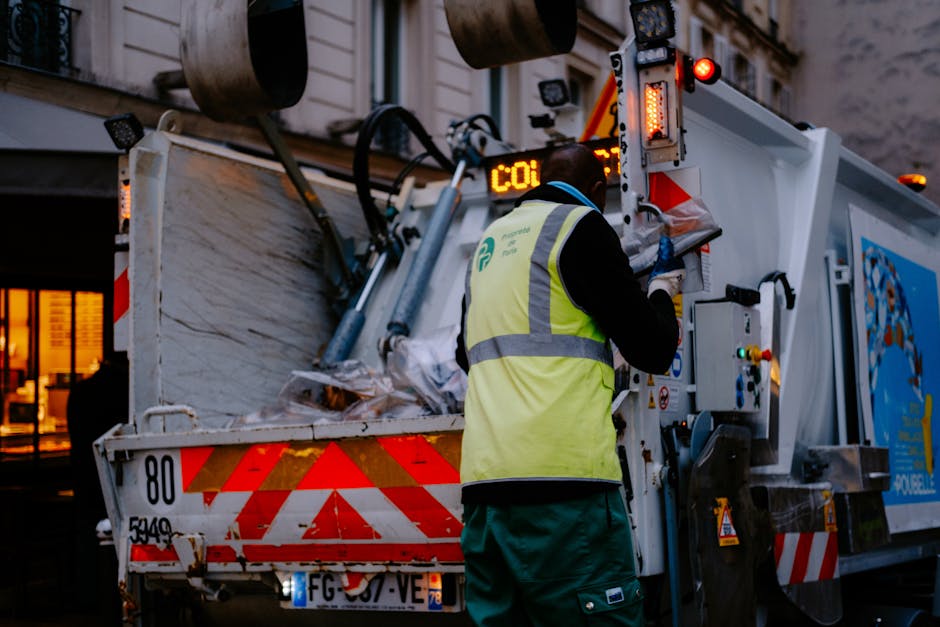
Top rated commercial rubbish removal Milton Keynes services
If you are juggling office clutter, builders' debris, or a back room full of broken stock, the right Top rated commercial rubbish removal Milton Keynes services can feel less like a nice-to-have and more like a pressure release valve. One call, one collection, one less thing rattling around in the background of your day.
For businesses in Milton Keynes, rubbish builds up quickly: cardboard after deliveries, old desks after a move, damaged appliances, mixed office waste, and the awkward bits no one wants to claim as their job. The real challenge is not simply getting rid of it. It is getting it removed safely, on time, and in a way that keeps your site tidy and your operations moving. This guide breaks down how commercial rubbish removal works, who it suits, what to check before you book, and how to choose a service that genuinely saves time and stress.
Table of Contents
- Why top rated commercial rubbish removal in Milton Keynes matters
- How commercial rubbish removal works
- Key benefits and practical advantages
- Who this is for and when it makes sense
- Step-by-step guidance
- Expert tips for better results
- Common mistakes to avoid
- Tools, resources and recommendations
- Law, compliance, standards and best practice
- Options, methods and comparison table
- Case study or real-world example
- Practical checklist
- Conclusion
- Frequently asked questions
Why Top rated commercial rubbish removal Milton Keynes services Matters
Commercial waste is different from household waste in one very obvious way: it tends to interrupt the working day. A pile of boxes in a warehouse aisle slows staff down. Old chairs in an office meeting room make the place feel unfinished. Builders' rubble outside a site can become a safety issue by lunch time. And let's face it, nobody wants to explain to a client why the reception area still looks like a half-finished storeroom.
That is why top rated commercial rubbish removal matters. A well-run service helps you restore space quickly, reduce trip hazards, and keep your premises presentable. It also helps avoid the sort of messy, last-minute improvisation that often leads to extra labour, repeated handling, or waste sitting around far longer than it should.
In Milton Keynes, businesses often need collections that are flexible. Office teams move desks at the end of a lease. Shops clear old fixtures after a refit. Trades teams need builders' waste shifted without waiting days for a skip to be emptied. A good provider understands that commercial waste is not just waste; it is operational friction.
There is also a trust factor. When rubbish is removed from a business site, you want to know it will be handled properly, sorted sensibly, and taken away by people who know what they are doing. That is where choosing a service with clear policies, transparent pricing, and strong safety standards really matters. If you want to understand the broader service approach, it can help to review the company's about us page and its approach to recycling and sustainability.
Expert summary: The best commercial rubbish removal is not only about speed. It is about reliability, safe handling, and keeping your business moving without extra disruption.
How Top rated commercial rubbish removal Milton Keynes services Works
Most commercial rubbish removal jobs follow a simple pattern, though the details can vary depending on the site and the waste type. In practice, the process should feel straightforward, not like a small project in itself.
- Initial enquiry or booking. You describe the waste, the access conditions, and the timing you need.
- Assessment. A team may ask for photos, rough volume, or a walk-through if the job is larger or unusual.
- Price estimate. A clear quote is given, usually based on volume, labour, waste type, and complexity.
- Arrival and collection. The team turns up, loads the waste, and clears the area with minimal fuss.
- Sorting and disposal. Reusable, recyclable, and non-recyclable materials are separated where appropriate.
- Completion. You are left with a clearer site and, ideally, a clean handover.
For businesses that need to move quickly, the key thing is access. If waste is in a basement, upstairs office, rear alley, or awkward yard, that should be explained before the collection. The better the briefing, the smoother the job. A short message with a few photos can save everyone a headache. Honestly, that tiny bit of prep often makes the biggest difference.
Commercial rubbish removal can cover general waste, office furniture, mixed bulky items, and trade waste. Some loads may need specialist handling, especially where appliances, confidential materials, or hazardous items are involved. For example, you may need separate arrangements for confidential shredding, fridge and appliance removal, or hazardous waste disposal.
Key Benefits and Practical Advantages
The value of a commercial waste service becomes obvious very quickly once the job starts. What seemed like a small pile can become a full van load in minutes. Then suddenly, the office is lighter, the aisle is clear, and someone says, "Why didn't we do this weeks ago?"
- Faster clearance: Work areas are restored quickly, which helps keep staff productive.
- Less disruption: A collection can often be scheduled around your trading hours or site access.
- Safer premises: Removing stacked rubbish reduces slips, trips, and blocked access routes.
- Better presentation: This matters for client-facing spaces, receptions, retail units, and managed properties.
- More flexible than a skip: If you do not want a skip outside or the waste is indoors, labour-led removal can be far easier.
- Practical handling of mixed waste: Bulky and awkward items can be taken in one go instead of being broken down on site.
There is also a quieter advantage: peace of mind. A good service takes away the mental clutter as well as the physical clutter. You stop thinking about the pile in the corner. You stop stepping around it. You get your space back.
For businesses that care about responsible disposal, services linked to business waste removal and general waste removal can be especially useful because they give you a practical route for ongoing or one-off clearances.
Who This Is For and When It Makes Sense
Commercial rubbish removal is not just for big companies. In Milton Keynes, it can suit a wide range of organisations and property types.
- Offices: For desk clearances, storage room tidy-ups, furniture swaps, and end-of-lease jobs.
- Retail units: For packaging waste, fixture removal, stockroom clear-outs, and refits.
- Construction and trades: For rubble, timber, packaging, and mixed builders' waste.
- Landlords and agents: For clearing commercial properties, flats, and shared spaces between tenancies.
- Hospitality venues: For back-of-house clutter, old seating, appliance swaps, and store room clearance.
- Warehouses and workshops: For pallet waste, damaged goods, shelving, and redundant equipment.
It also makes sense when time matters more than the price of doing it yourself. If your staff would spend half a day loading a van, weighing options at the local tip, then waiting around, a professional collection often ends up being the more sensible choice. Not glamorous, maybe. But sensible.
Some jobs are better suited to specific services. If you are clearing out a work unit with desks and cabinets, look at office clearance. If the job is tied to a renovation or strip-out, builders waste clearance may be the better fit. For shared property or move-out situations, flat clearance or house clearance can be relevant too, especially where commercial and residential use overlap.
Step-by-Step Guidance
If you want a smooth collection, a little prep goes a long way. Here is the practical way to approach it.
- Identify exactly what needs removing. Separate general rubbish from items that may need special handling.
- Estimate the volume. Is it a few items, a room full, or a full-site clear-out?
- Take photos. Wide shots and close-ups help the provider understand access and load size.
- Check access. Make a note of stairs, lifts, loading bays, restricted hours, or parking limits.
- Flag any risky materials. Batteries, fluids, appliances, and sharp or heavy items need extra care.
- Ask for the pricing basis. You want to know whether the quote is based on load size, labour, or waste type.
- Agree the timing. A morning collection, after-hours job, or same-day slot can matter a lot operationally.
- Prepare the area. Keep pathways clear so the team can work efficiently and safely.
- Confirm completion expectations. If you need sweep-up or a staged removal, say so upfront.
A small real-world example: a Milton Keynes office refurb may involve old meeting tables, task chairs, a printer cabinet, and boxes of obsolete files. If you leave that as one vague request, the collection may need extra back-and-forth. If you specify the furniture, the paperwork, and the access details from the start, the day usually runs much more smoothly.
For more service planning, it can help to review pricing and quotes before booking and then use book online if the job is straightforward.
Expert Tips for Better Results
Here is where the small details matter. They are easy to miss, but they often separate a decent clearance from a properly efficient one.
- Group similar waste together. Furniture, cardboard, and mixed waste are easier to assess when they are not scattered across the site.
- Photograph awkward items. A broken fridge, a large sofa, or a heavy cabinet can look harmless until it has to go down stairs.
- Keep the loading route clear. It sounds obvious, yet someone always leaves a trolley, a box, or a mop bucket in the way.
- Ask about reuse and recycling. Some items may be suitable for reuse or material recovery rather than disposal.
- Match the method to the site. In some cases a skip is fine; in others, labour-led removal is faster and cleaner.
One thing people often forget is the paperwork side. If your business has compliance expectations, ask how the waste is handled and what records are provided. Also check the provider's health and safety policy and insurance and safety approach. It is not being fussy. It is being sensible.
And if your business handles sensitive materials, do not mix confidential paperwork into general rubbish. Separate it first. That one little habit can save a lot of regret later.
Common Mistakes to Avoid
Most clearance problems come from rushed planning, not from the collection itself. The service is only as smooth as the information you give it.
- Underestimating how much waste there is. A half-full storeroom often turns into a full load once items are moved.
- Forgetting access restrictions. Tight loading bays, low roofs, locked gates, and narrow stairwells all matter.
- Mixing special waste with general waste. Appliances, hazardous items, and confidential material may need separate handling.
- Choosing only on price. Cheapest is not always best if the job becomes slower, messier, or less compliant.
- Leaving the site unprepared. Small obstructions can add unexpected time.
- Not checking what is excluded. If you need item-specific help, look at services like furniture clearance or mattress and sofa disposal rather than assuming everything is treated the same.
To be fair, these mistakes are common because people are busy. But busy is exactly when process matters. A five-minute review before booking can save hours later.
Tools, Resources and Recommendations
You do not need a complicated toolkit to organise commercial rubbish removal. What helps most is a simple, consistent process.
| Tool or resource | Why it helps | Best use case |
|---|---|---|
| Phone photos | Give the provider a quick visual of waste volume and access | Any office, retail, or trade clearance |
| Room-by-room list | Keeps the job organised and avoids missed items | Office moves, storage clean-outs, mixed loads |
| Waste segregation labels | Makes it easier to separate recyclable, confidential, and general items | Sites with multiple waste streams |
| Access notes | Helps the team plan parking, lifting, and timings | Busy urban locations or restricted premises |
| Collection checklist | Prevents last-minute surprises and forgotten items | Refits, relocations, planned clearances |
For practical planning, two pages are especially useful: recycling and sustainability for understanding responsible disposal, and what can go in a skip if you are comparing removal methods.
If you are planning a one-off job, it also helps to read the company's terms and conditions and payment and security information. Those pages usually answer the dull but important questions before they become awkward.
Law, Compliance, Standards, or Best Practice
Commercial waste handling in the UK is not something to be casual about. You do not need to become an expert overnight, but you should expect any provider to work in a way that respects legal duties, safety, and responsible disposal practices. That is particularly important for businesses because poor handling can create more than just a mess; it can create liability, reputational damage, or site safety issues.
In simple terms, best practice means the waste is collected by people who know how to handle it, the job is done safely, and the material is taken to an appropriate facility or pathway. If the waste includes items that are hazardous, sensitive, or specialist, the provider should treat those separately and explain the process clearly. No vague hand-waving. No shrugging. You want clarity.
It is also sensible to ask how the provider supports recycling, waste separation, and safe lifting. If your business has internal health and safety obligations, those details matter. A transparent policy page, such as health and safety policy, helps you judge whether the company takes this seriously.
For commercial clients, compliance is often less about one dramatic rule and more about everyday discipline: accurate descriptions, sensible segregation, safe access, and proper documentation where needed. That is the standard worth expecting.
Options, Methods, or Comparison Table
If you are deciding how to clear rubbish from a business site, you usually have a few options. The right one depends on the volume, the waste type, the space you have, and how quickly you need the site back.
| Method | Best for | Pros | Trade-offs |
|---|---|---|---|
| Commercial rubbish removal team | Mixed waste, bulky items, indoor clearances, urgent jobs | Fast, labour included, minimal disruption | Can cost more than doing it yourself for very small loads |
| Skip hire | Longer projects with steady waste output | Useful for ongoing debris, especially on larger sites | Takes space, may need permits, loading is your responsibility |
| In-house transport | Very small loads and routine waste trips | Flexible if staff are already available | Time-consuming, staff diversion, disposal logistics fall on you |
For many Milton Keynes businesses, commercial rubbish removal wins because it combines speed and labour. That is especially true when waste is indoors, heavy, awkward, or urgently in the way. If the waste is mostly loose builders' debris and you have plenty of room, a skip might still make sense. Different jobs, different tools. No drama.
Case Study or Real-World Example
Imagine a small office in Milton Keynes after a team restructure. The reception area still has old chairs. A storage room contains broken filing cabinets, mixed stationery, a dead printer, and several bags of obsolete documents. The team has a client visit booked for the following afternoon. Not ideal.
Instead of asking staff to sort it piecemeal, the manager arranges a commercial rubbish removal collection. Photos are sent ahead. Access is confirmed. The items are grouped by type: furniture, paper waste, and electricals. The collection team arrives, clears the items, and leaves the room usable again the same day.
The result is not just tidier space. It changes the feeling of the office. Staff can move through the area without dodging boxes. The client sees a professional environment. The manager no longer has a pile of "we'll deal with it later" sitting in the corner. That, in our experience, is often the real value. Relief.
For similar situations, you might also look at office clearance or furniture disposal if the waste is mostly desks, chairs, and cabinets.
Practical Checklist
Use this quick checklist before you book a collection. It is simple, but it works.
- Identify the waste type and approximate volume.
- Separate confidential, hazardous, or specialist items.
- Take clear photos of the waste and the access route.
- Check whether parking, loading, or timing needs to be arranged.
- Decide whether you need a one-off clearance or an ongoing waste solution.
- Review pricing, payment details, and terms before confirming.
- Ask how recyclable material is handled.
- Confirm whether the job includes lifting, carrying, and sweep-up.
- Make sure staff know what is being removed so nothing useful gets thrown away by mistake.
- Keep the collection area clear on the day. Simple, but easy to forget.
If you need to discuss a more specific job, you can also review the company's complaints procedure and accessibility statement to better understand how the service is managed and supported.
Conclusion
Top rated commercial rubbish removal Milton Keynes services are about more than taking rubbish away. They help businesses stay safe, keep spaces usable, and avoid the slow creep of clutter that gets in the way of good work. When the service is handled properly, it feels simple. Almost invisible, which is exactly how it should feel.
The best choice is usually the one that fits your site, your timing, and your waste type without creating extra admin or disruption. Whether you are clearing an office, a retail stockroom, a building site, or a mixed commercial unit, the winning formula is the same: clear information, sensible planning, and a provider that values safety and reliability.
If you are weighing up your options, look for transparent quotes, practical communication, and a responsible approach to disposal. That combination saves time now and headaches later. And in business, that is worth a lot.
Get a free quote today and see how much you can save.
Frequently Asked Questions
What do commercial rubbish removal services in Milton Keynes usually collect?
They commonly collect mixed commercial waste, office furniture, bulky items, packaging, general rubbish, and site clear-out materials. Some items need specialist handling, so it is worth checking before booking.
Is commercial rubbish removal better than skip hire?
It depends on the job. Commercial rubbish removal is often better for indoor clearances, bulky items, and urgent jobs because the labour is included. Skip hire can suit ongoing projects with steady waste output.
How quickly can a collection usually be arranged?
That depends on the provider and the size of the job, but many commercial collections are arranged quickly if access is straightforward and the waste is clearly described.
Do I need to sort the waste before collection?
Some sorting is helpful, especially for confidential, hazardous, or reusable items. For mixed general waste, the collection team can usually handle the loading, but separating special items in advance makes the job smoother.
Can office furniture be removed as part of commercial rubbish removal?
Yes, office furniture is a very common part of commercial clearances. Desks, chairs, cabinets, shelving, and meeting tables are all typical examples.
What should I ask before booking a rubbish removal service?
Ask what is included, how pricing is calculated, whether labour is covered, how specialist waste is handled, and what access details the team needs on the day.
Are commercial waste services suitable for small businesses?
Absolutely. Small businesses often benefit the most because they usually do not have time or staff to manage bulky waste themselves.
What happens to the waste after collection?
It is typically sorted and taken through the appropriate disposal or recovery route. Responsible providers aim to recycle and recover materials where possible.
Do I need special handling for appliances or fridges?
Yes, appliances often need separate attention. Fridges and similar items can be handled through fridge and appliance removal rather than mixed general waste collection.
How do I know if a provider is trustworthy?
Look for clear pricing, sensible communication, safety information, and plain-English explanations of how the waste is handled. A trustworthy provider is usually easy to understand and does not dodge basic questions.
Can commercial rubbish removal help with end-of-lease clearances?
Yes. It is often one of the best ways to clear a site quickly before handover, especially when furniture, packaging, and leftover equipment all need shifting at once.
What if the waste includes confidential paperwork?
Keep it separate and ask for confidential shredding or a similar secure process. Do not place sensitive documents in general waste.
There is no need to make the process harder than it already is. A good commercial rubbish removal service should bring calm to a messy situation, and that calm is sometimes the most valuable part of all.